All About Horse Withers: Anatomy, Care and Common Issues
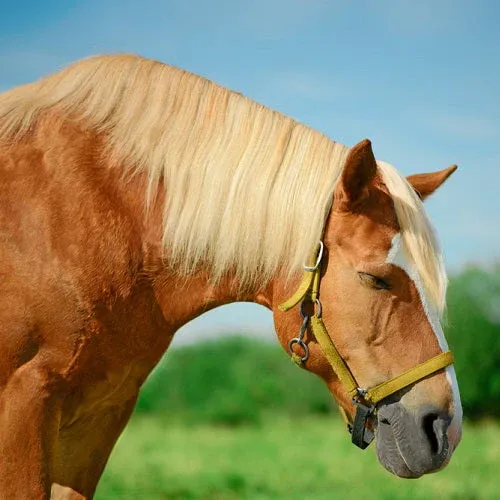
The withers are more than a convenient measuring point on a horse’s back. They play a major role in freedom of movement, saddle fit and overall comfort. The shape, condition and muscle development around the withers influence stride length, shoulder freedom and how comfortable the horse feels during work. When the withers become sensitive or the saddle no longer fits correctly, performance and wellbeing can be affected. Good care, balanced training and properly fitted tack help keep this region healthy.
The Anatomy of the Withers
The withers form the highest point of the back, made up of vertebrae with elevated projections. This structure supports ligaments and muscles that connect the neck, shoulders and back. It helps the horse maintain balance as the neck and spine move and allows the shoulders to swing freely, contributing to smooth and efficient movement.
Different Shapes of Withers
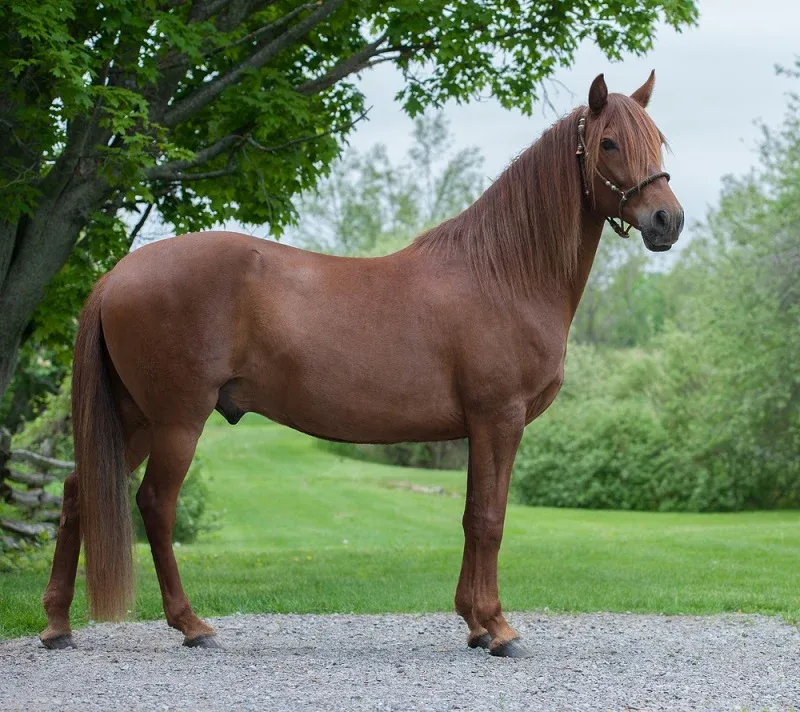
Wither shape varies widely among horses. A high, defined wither usually offers more shoulder freedom, while a low or flat wither allows saddles to slide forward more easily. A medium, well-proportioned wither often provides the best mix of stability and mobility.
How Wither Problems Develop
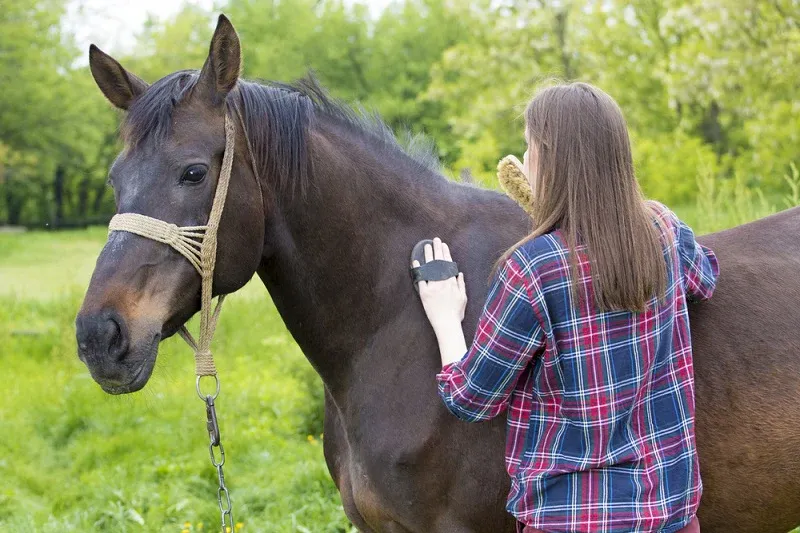
Although the skeletal form is mostly genetic, you can influence the topline and muscle development around the withers. A deep dip behind the withers often indicates weak back muscles. Training that develops the topline and feeding that supports muscle growth help improve this over time.
Saddle fit is another common source of problems. Excess pressure or friction leads to irritation or long-term tissue damage. Riding posture matters as well. A rider out of balance, or mounting by pulling on the saddle horn or pommel, increases pressure on the withers and may cause discomfort.
Caring for the Withers
Healthy skin and clean tack reduce the risk of irritation. Many problems start as small rubs or unnoticed pressure points. A few simple habits support healthy skin:
- Brush the withers and back before riding to remove dust or grit.
- Check saddle pads and girths regularly for rough spots or worn areas.
- After riding, remove sweat and dirt with warm water and a gentle equine shampoo.
- Check daily for white hairs, bald spots, redness or heat.
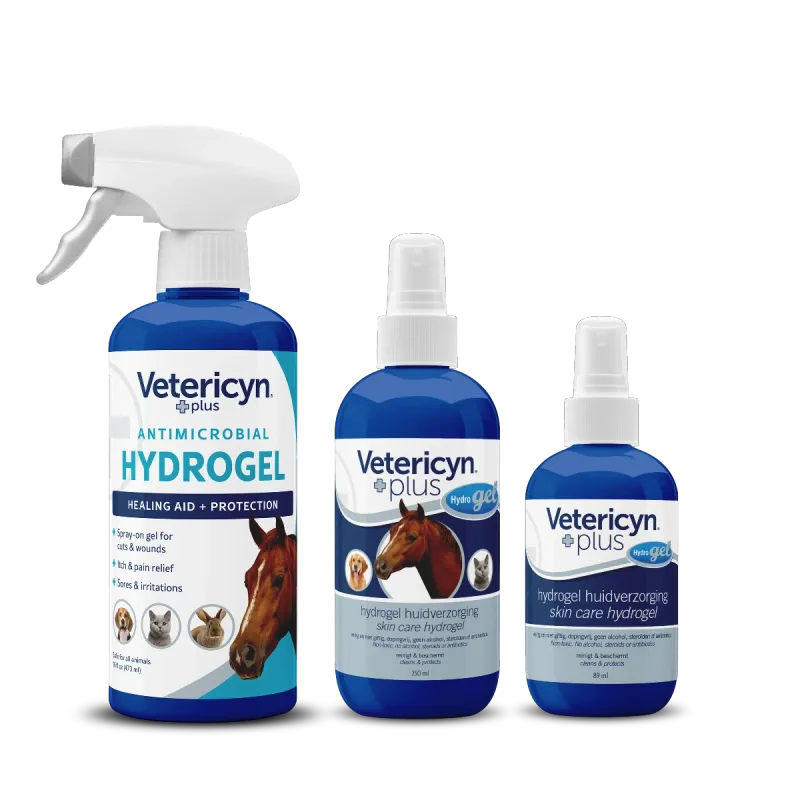
If irritation occurs, cleanse the area and apply a protective, horse-safe gel such as Vetericyn Plus Antimicrobial Hydrogel.
Recognizing Early Signs of Sensitivity
Early signs of wither discomfort can be subtle. A horse that usually saddles easily may start dipping away, flattening the ears or showing tension. Changes during riding, such as stiffness or a shorter stride, also indicate sensitivity.
- Heat or swelling around the withers.
- Sensitivity when touched.
- Uneasiness during saddling.
- Changes in movement or rhythm.
Common Wither Conditions
Several conditions affect the withers. Fistulous withers begins with inflammation of the bursa and may progress into a draining wound. Fractures of the withers are rare but painful, usually caused by a fall. General swelling or irritation can occur due to allergies, poorly fitted tack or pressure from riding equipment.
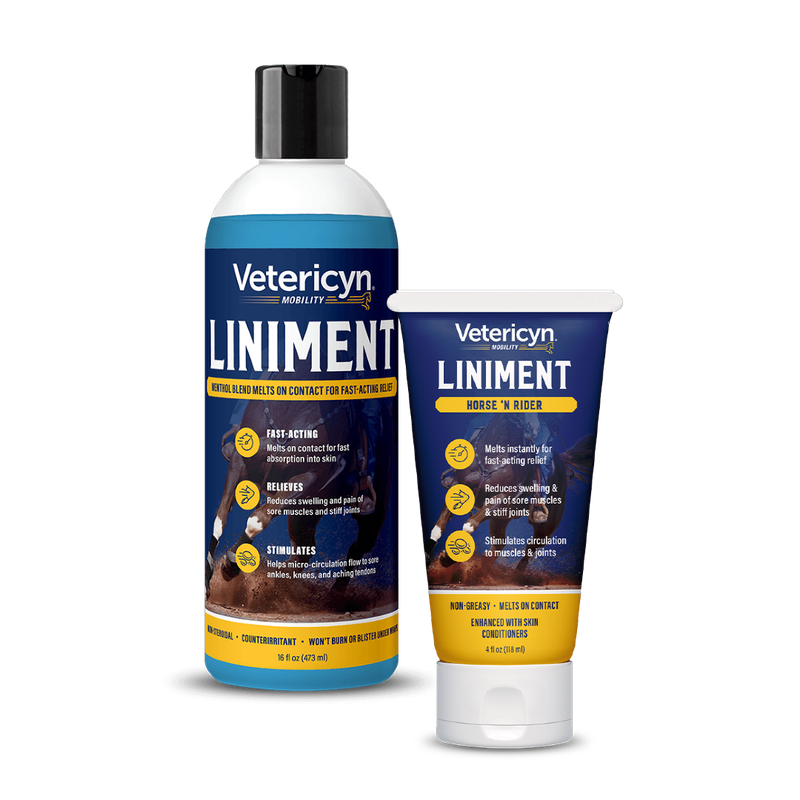
For mild swelling, a gentle liniment gel supports circulation and muscle comfort. When drainage, severe swelling or considerable pain is present, veterinary attention is required.
A Healthy Wither Supports Better Movement
The withers play a central role in balance, mobility and comfort. Regular checks, correct saddle fit and consistent care help prevent issues. Products from Vetericyn support healthy skin and help maintain a strong, comfortable wither area, especially for horses in regular training.