How to Treat Scale Rot on Reptiles
Reptiles often look low-maintenance, but their skin needs careful daily care.
Soft, oozing or discolored patches on a snake or lizard usually mean scale rot.
Scale rot, also called ulcerative dermatitis, needs quick attention. If you act early, most reptiles recover well.
What Is Scale Rot
Scale rot is an infectious skin disease of reptiles.¹²
It:
- Affects snakes and lizards most often
- Starts as red or bruised scales, usually on the belly or lower body
- Progresses to blisters, ulcers and crusts
- Is strongly linked to poor hygiene, wrong humidity or wrong temperature
Bacteria invade damaged or constantly wet skin and spread under the scales.
How to Identify Scale Rot

Scale rot often starts in one damp area and then spreads.¹² Look regularly for:
- Bad or sour odor from the enclosure or the animal
- Cracked, crusty, raised or swollen scales
- Fluid or pus leaking from scales
- Red, brown or yellow discoloration, especially on the belly or tail
- Reduced appetite, less movement or hiding more than usual
Mild cases show a few reddened scales. Severe cases show deep ulcers, thick crusts and pain. Any suspected case should be checked by a reptile vet.
What Causes Scale Rot
Most cases come from less-than-ideal living conditions.¹²
Key risk factors:
- Unsanitary enclosure
- Wrong humidity and temperature
- Vitamin A or C deficiency¹
Unsanitary living environment
Old food, feces and shed skin break down on warm, damp substrate. Bacteria and fungi multiply and damage the skin barrier.¹²
Improper habitat humidity and temperature
Every species needs a certain humidity range. Your reptile needs some moisture, but constantly wet bedding keeps the skin in contact with water and waste.
Warm, damp substrate, especially over under-tank heaters, often damages belly scales and allows infection to take hold.²
Vitamin A or C deficiency
Poor diet weakens the skin and immune system, so even mild husbandry problems turn into disease.¹
Internal disease
Even reptiles kept in good conditions can develop scale rot if bacteria spread through the bloodstream and settle under the scales.¹ Bleeding inside the scales turns into pustules and then abscesses.
Getting Rid of Scale Rot
You can start treatment at home, but scale rot can progress quickly. If it worsens, spreads or your reptile shows other signs of illness, contact your veterinarian right away.²
Step 1. Clean and Sterilize the Enclosure
Wear gloves when handling the cage and its contents. Wash your hands well after any contact with your reptile or the enclosure.³
Do a deep clean at least once a week. If your reptile has scale rot, repeat these steps weekly until fully healed.³
- Move your reptilePlace your reptile in a clean, dry, temperature-appropriate holding box with paper towels or other dry, disposable substrate.
- Remove and clean equipmentThrow away all bedding and porous decor. Wash bowls, hides and accessories in hot, soapy water. Rinse well and dry completely with paper towels.³
- Clean the cageScrub all surfaces of the enclosure with hot water and dishwashing liquid. Rinse thoroughly so no soap remains. All visible dirt must be gone before disinfection.³
- DisinfectUse a reptile-safe disinfectant that kills common pathogens.¹² Ask your vet for a suitable product. Apply as directed, then rinse and air the enclosure well, away from your reptile, because reptiles are sensitive to fumes. Wear gloves and eye protection.³
- Let everything dryAllow the enclosure and all items to dry fully before adding fresh, dry bedding and returning your reptile. Damp surfaces quickly restart the problem.
Step 2. Adjust the Temperature and Humidity
How humid should it be
There is no single “correct” humidity. It depends on the species, age and time of year. Use a good hygrometer at both the warm and cool ends of the enclosure.²
The enclosure is too humid if:
- The substrate does not dry between mistings
- Condensation stays on the glass
- You notice a musty smell
Increase ventilation, mist less often or change to a drier substrate to reduce humidity.²
What is the right temperature?
Reptiles rely on their environment to control body temperature. In captivity they move between a warm basking area and a cooler area.
Ask your vet for the ideal temperature range for your species.
If the enclosure is too cool, the bedding stays damp. Slightly raising the temperature within the safe range helps the substrate dry and reduces bacteria and mold growth.²
Step 3. Clean the Infected Skin
Once the enclosure is clean, dry and set to the right climate, focus on the sores.
Betadine (povidone-iodine) bath⁴
- Fill a sturdy container with lukewarm water up to chest level for the reptile
- Add a few drops of povidone-iodine until the water is medium tea-colored
- Soak the reptile for about 30 minutes
- Remove and gently dry with a soft towel
- As you dry, carefully loosen and remove crusty material without pulling on healthy skin
If your reptile defecates in the bath, remove it at once, rinse all sores with clean water, wash the container, prepare a fresh Betadine bath and start again.⁴
Antimicrobial spray
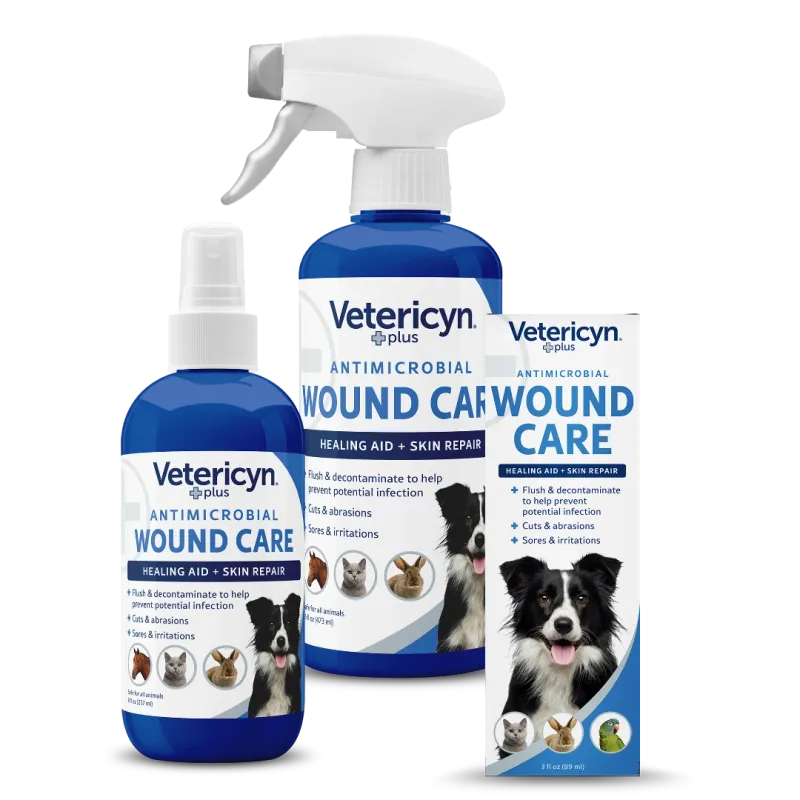
After drying, apply a non-toxic antimicrobial spray. Vetericyn Plus Antimicrobial spray is a safe way to clean and hydrate infected scales and open wounds, helping reduce bacteria and support healing. Use it on the affected areas a few times daily as directed on the label.
Keep treatment consistent and keep the enclosure as clean and dry as possible. If symptoms worsen or do not improve, schedule a veterinary appointment.
Scale Rot Is Nothing to Hiss At
If you think your reptile has scale rot, do not panic, but act fast. Call your vet for advice.
At home you help by:
- Cleaning and disinfecting the enclosure regularly
- Keeping temperature and humidity in the correct range
- Feeding a balanced, species-appropriate diet
- Using products such as Vetericyn Plus Antimicrobial Care spray for routine skin and wound care
These steps support healing and help prevent scale rot from returning.

Reviewed by Dr. Kathy Adamson
Dr. Kathy Adamson earned her bachelor’s degree from the University of Notre Dame and her Doctor of Veterinary Medicine from the University of Wisconsin–Madison.
After a small animal medicine and surgery internship at North Carolina State University, she worked in research and published several journal articles.
She later completed medical writing and editing training at the University of Chicago Graham School and now runs KMA Veterinary & Medical Writing. She also serves as Digital Content Manager for the Greater Chicago Area Chapter of the American Medical Writers Association and enjoys writing about health topics for people and their pets.
LinkedIn: https://www.linkedin.com/in/kathyadamsondvm/
Sources
¹ Divers SJ. Bacterial Diseases of Reptiles. VIN.com. 2021. https://www.vin.com/doc/?id=10475032
² Brahlek A. Identifying and Treating Scale Rot. VetMedX Animal Wellness. 2021. https://vetmedx.co.za/identifying-and-treating-sca...
³ Petco ACE Team. How to Clean and Disinfect Reptile Cages. Petco.com. https://www.petco.com/content/content-hub/home/art...
⁴ Kaplan M. First Aid for Reptiles. anapsid.org. https://www.anapsid.org/emergency/firstaid.html